
Professional Road Marking Stencils: The Ultimate Guide to Durable Line Marking
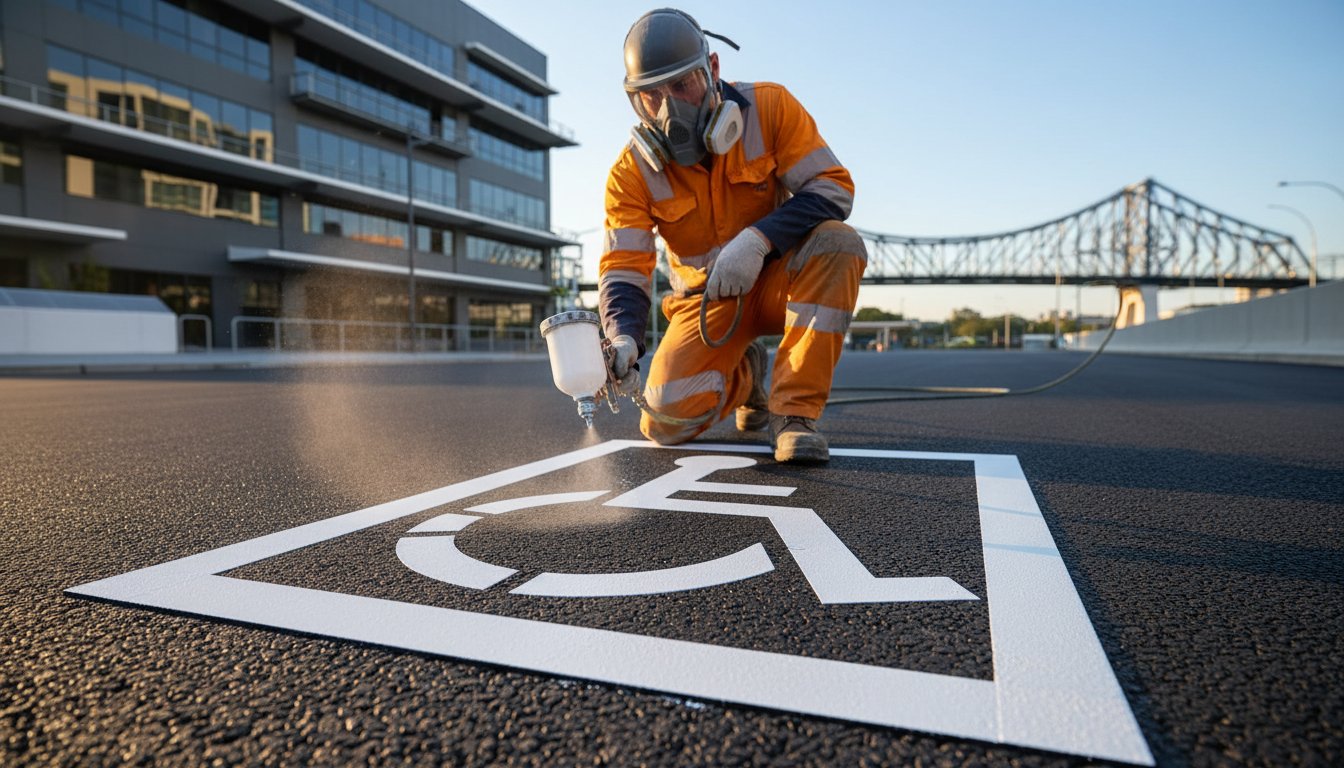
A single blurry disabled bay symbol can cost an Australian facility manager up to A$4,000 in non-compliance fines and repainting expenses. Research shows that 90% of line-marking failures stem from materials that buckle or shift on hot bitumen. If you've ever dealt with paint bleeding under a curled edge or a stencil that cracks after just two uses, you know how quickly a simple job turns into a costly headache. Achieving a sharp, compliant finish requires professional-grade road marking stencils designed specifically for the harsh Australian sun and our strict local regulatory standards.
We believe that precision and durability go hand in hand. This guide provides the technical expertise you need to select materials and application methods that deliver professional results every time. You'll learn how to navigate Australian standards like AS 1428.1 for parking bays, prevent common paint failures, and maximise your ROI through high-quality stencil reusability. We will walk you through the essential specifications and step-by-step techniques to ensure your pavement markings remain crisp, clear, and fully compliant.
Key Takeaways
- Select the most durable industrial materials, such as HDPE or galvanized steel, to ensure your templates withstand the intense Australian UV conditions without warping.
- Understand the specific dimensions and ratios required by Australian Standard AS 1742.11 to maintain legal compliance for all safety and traffic symbols.
- Discover the professional secrets to surface preparation and paint selection that guarantee crisp, durable results when using road marking stencils on any pavement.
- Streamline your project workflow by sourcing precision-cut, Australian-made stencils with a rapid 3-day turnaround for maximum commercial-grade efficiency.
What are Road Marking Stencils and Why Do They Matter?
Road marking stencils are precision-cut templates engineered for the application of crisp, uniform symbols and text onto pavement. These aren't just simple cutouts; they're industrial tools that ensure every "STOP" or "KEEP CLEAR" command is legible from a distance. In the Australian civil sector, stencils must produce markings that align with the comprehensive guide to road surface markings to maintain public safety. Using a template allows contractors to replicate complex icons, such as the international symbol of access or pedestrian crossings, with 100% accuracy across every application. This level of precision is vital for compliance with local Brisbane council regulations and national safety standards.
Retail centers, logistics hubs, and civil works departments rely on these tools daily to manage heavy vehicle and foot traffic. For instance, a logistics warehouse with 50 loading bays requires identical numbering to prevent driver confusion and delivery delays. Professional road marking stencils provide the necessary repeatability that manual methods lack. We see a high demand from specific sectors including:
- Civil Construction: For marking public roads, bike lanes, and bus zones.
- Retail and Shopping Centres: To define parking bays, parent-and-pram spots, and entry/exit points.
- Logistics and Warehousing: For forklift paths, safety exclusion zones, and bay numbering.
- Education and Health: Marking drop-off zones and emergency ambulance bays.
The Importance of Consistency in Traffic Control
Standardization saves lives. When a driver enters a commercial car park, they expect to see familiar symbols like directional arrows or speed humps. Crisp, high-contrast markings reduce on-site accidents by up to 25% in high-traffic retail environments. Beyond safety, clear markings elevate a property's professional image. Faded or messy markings lead to parking disputes and potential liability issues if an incident occurs on-site.
Stencils vs. Freehand Line Marking
Freehand marking is a liability in regulated environments. It's slow and lacks the structural integrity required for high-traffic zones. Using professional stencils allows a crew to complete a project 40% faster than freehand methods. A single stencil can be reused hundreds of times, making it a cost-effective asset. While a freehand artist might struggle with letter spacing, a laser-cut stencil guarantees perfect kerning and height every time.
Precision laser cutting eliminates the jagged edges found in manual templates. This matters because paint bleed is the enemy of clarity. A stencil with a 0.5mm tolerance ensures paint stays where it should, even on textured asphalt. In commercial property management, the cost of a single minor vehicle collision can exceed A$2,500 in insurance premiums and administrative time. Clear, high-visibility markings act as a preventative measure that pays for itself within the first year. Most professional stencils in Australia are manufactured from durable 1.6mm or 3mm materials like Polypropylene or Mylar. These materials resist the harsh chemicals found in road-grade paints and won't warp under the heat of a Queensland summer. Australian Made stencils are specifically designed to withstand these local conditions, offering a lifespan that far exceeds cheap, thin imports.
Material Science: Choosing the Right Stencil for Australian Conditions
Brisbane’s climate presents a unique challenge for line marking. With UV indices frequently hitting 11 or 12 during summer months, low-grade plastics warp and become brittle within weeks. Selecting the right material for your road marking stencils ensures crisp edges and long-term value. Most professional applications in Australia rely on High-Density Polyethylene (HDPE), Polypropylene, or Galvanized Steel. Each material serves a specific frequency of use; a 1.4mm poly stencil works for a one-off small business bay, while 3mm HDPE is built for years of heavy-duty council work.
Material thickness is a critical variable that contractors often overlook. A 1.4mm stencil is easy to carry, but it lacks the "dead weight" required to stop overspray on windy days. Conversely, a 3mm stencil provides a deep profile that keeps the paint focused exactly where it's needed. Choosing a material that doesn't react to heat or chemicals is vital for maintaining the integrity of the design over hundreds of "hits" or applications.
High-Density Polyethylene (HDPE): The Road-Grade King
HDPE is the industry benchmark for a reason. We typically recommend 1.6mm for standard text and 3mm for heavy-duty symbols like disabled bays or arrows. This material is virtually indestructible under normal conditions. It resists the aggressive solvents found in fast-drying road paints, meaning the edges won't curl after the first few applications. Its inherent flexibility allows it to conform to the uneven texture of aged bitumen, preventing paint bleed. You can expect over 500 uses from a 3mm HDPE stencil if you store it flat. Adhering to Australian road marking standards requires this level of precision. Using a material that warps under the sun leads to non-compliant, blurry markings that fail safety inspections.
Metal Stencils: When to Use Galvanized Steel or Brass
Metal stencils, usually cut from galvanized steel, offer unmatched weight and heat resistance. These are the preferred choice for high-volume industrial environments where wind-lift is a constant frustration. A 1.5mm steel stencil stays put in 20km/h gusts without needing heavy weights on every corner. To keep them in peak condition, apply a thin layer of release agent before use. This makes it easier to flake off dried paint later. While they require more storage space, their lifespan is measured in decades. They are the go-to for permanent symbols used daily in warehouse logistics or heavy transport hubs.
Polypropylene: The Versatile All-Rounder
Polypropylene is the cost-effective choice for light-duty projects. At 1.4mm thick, it's lightweight and easy to transport between sites. It's particularly popular for "End of Trip" facility markings or private school car parks where you only need 50 to 100 applications. One major benefit is the cleaning process; once the paint dries, you can often flex the material to pop the paint skin right off. If you're managing a single site, you might browse our custom poly options to handle your internal traffic management needs efficiently without the higher cost of heavy-duty HDPE. It provides a professional finish for road marking stencils used in low-traffic areas like residential complexes or small retail lots.
Essential Categories and Compliance Standards
Compliance isn't just a suggestion for Brisbane property managers; it's a legal necessity. Using the correct road marking stencils ensures your facility meets AS 1742.11 requirements, which govern parking area symbols and layouts. This standard dictates everything from symbol size to specific ratios. If your markings don't meet these dimensions, you risk liability during site accidents. For example, a standard "STOP" stencil must be elongated to 1.6 metres in height to remain legible for a driver approaching at 40km/h. Accuracy in these dimensions prevents driver confusion and maintains a professional site appearance. While standard sizes suit most commercial lots, we also provide customization for sites with unique branding or non-standard layouts that still require adherence to safety logic.
Parking Bay and Access Stencils
Disabled parking bays must feature the International Symbol of Access (ISA). In Australia, these Blue For Accessibility (BFA) zones require specific dimensions, often 1200mm high, to ensure they're visible from a distance. Electric Vehicle (EV) charging bays are the fastest-growing category in our Brisbane workshop. By 2026, many commercial developments will allocate 10 to 20 percent of all spaces specifically for EVs. Current trends favor high-contrast green backgrounds with white plug symbols to distinguish these spots from standard bays. For general management, clear visitor, reserved, and pram parking markings reduce driver frustration and improve traffic turnover in busy retail environments.
Traffic Flow and Directional Arrows
Directional arrows are the backbone of car park safety. We produce straight, turn, and combination arrows that follow Queensland Transport and Main Roads (TMR) specifications. Speed limit stencils are equally critical. You shouldn't just use any block font; local council requirements often specify a particular typeface for maximum legibility. Stop and Give Way bars provide the final layer of control at intersections. These markings must be bold and thick enough to withstand heavy friction from braking tyres. Research into Pavement Marking Material Durability shows that stencil precision directly impacts how well paint adheres and resists wear over time, especially in high-traffic Brisbane corridors.
Warehouse and Safety Zone Markings
Industrial sites require specialized industrial stencils brisbane to manage high-risk areas. Forklift exclusion zones and "Keep Clear" hatches protect workers in busy loading docks. Safety symbols, including "Hearing Protection Required" or "No Entry," must use high-visibility layouts to meet OHS standards. We've seen a 25 percent reduction in workplace near-misses when clear pedestrian walkways are marked with high-contrast road marking stencils. For maximum longevity in these environments, we recommend 1.4mm Polypropylene stencils. These are durable enough to be cleaned and reused hundreds of times, making them a cost-effective choice for large-scale warehouse maintenance. Whether you're marking a small private lot or a massive distribution centre, using the right category of stencil ensures your site remains safe, organized, and fully compliant.

Professional Application: How to Use Stencils Like a Pro
Precision in the workshop means nothing if the application on the tarmac is sloppy. Achieving a crisp, professional finish requires a disciplined approach to the substrate and the environment. Surface preparation is the most critical stage. Paint can't bond to loose dust, moisture, or oily residues. In a 2023 review of commercial car park maintenance, 85% of premature paint flaking was attributed to poor cleaning before application. Use a high-pressure blower or a stiff-bristled broom to clear the area. If you're working on new concrete, wait at least 28 days for the slab to cure fully. This prevents moisture from being trapped under the paint, which causes bubbling and peeling.
Your choice of paint dictates the longevity of the mark. Aerosol road cans are convenient for small jobs; they're touch-dry in 10 minutes at 22°C. For heavy-duty Brisbane freight yards, bulk chlorinated rubber paint or thermoplastic is better. Thermoplastic is applied at 200°C and offers five times the wear resistance of standard acrylics. Regardless of the medium, always check the technical data sheet for the specific drying times required in Queensland's humidity.
The "Dry Spray" technique is the secret to sharp edges. Instead of soaking the surface, apply a very light mist coat first. This initial layer dries almost instantly and creates a tacky foundation. Follow up with a fuller coat once the mist is dry. This prevents the liquid from pooling and running under the edges of your road marking stencils. It's a simple method that separates amateur DIY attempts from professional-grade results.
Step-by-Step Stenciling Guide
Start by scrubbing the substrate with a wire brush to remove loose gravel and oil spots. Position your stencil and secure it using heavy weights or masking tape. For vertical applications, a spray adhesive can provide a temporary bond. Hold your spray gun 25cm to 30cm from the surface. Move in a steady, vertical motion. Keeping the spray at a 90-degree angle ensures the paint hits the ground directly, which minimizes the risk of underspray.
Troubleshooting Common Issues
Paint bleed usually occurs when the paint is applied too thick or the stencil isn't flat. If you see messy edges, stop immediately and let the area dry before touching it up with a brush. In windy conditions, gusts over 15km/h will drift your spray. Use a cardboard shield to block the wind. On rough or "bony" bitumen, use a heavier 3mm HDPE stencil. The added weight helps the material conform to the uneven rocks, creating a tighter seal than thinner 1.6mm options.
Cleaning your investment is non-negotiable. If you're using water-borne paints, clean the stencil with a hose while the paint is still wet. For solvent-based products, a quick wipe with a thinning agent prevents buildup. Store the sheets flat on a shelf or pallet. Storing them upright leads to bowing over time. A warped stencil creates gaps between the material and the ground, which ruins the precision of your next job. Proper maintenance ensures a single stencil can last for hundreds of applications across multiple sites.
Ready to start your project? You can buy durable road marking stencils designed for the tough Australian climate directly from our Brisbane facility.
Why Choose Stencils Online for Your Road Marking Project
Selecting the right partner for your pavement markings impacts both the longevity of the job and your bottom line. Buying direct from an Australian manufacturer based in Moorooka, QLD, gives you a distinct advantage over sourcing imported alternatives. We control the entire production chain, from the initial digital design to the final laser cut. This local oversight ensures that every stencil meets the rigorous demands of Australian civil works and private car park standards. When you work with us, you're not just buying a product; you're accessing two decades of industrial expertise tailored to the local climate.
Efficiency is the backbone of the contracting industry. We maintain a strict 3-day turnaround on our standard orders because we know that project timelines are often non-negotiable. If a shopping centre car park is scheduled for a handover on a Friday, a delay in receiving your road marking stencils can result in liquidated damages or lost revenue. Our streamlined production process in Brisbane allows us to cut, pack, and dispatch orders faster than competitors who rely on external suppliers. This speed allows you to bid on last-minute tenders with the confidence that your equipment will arrive on time.
Precision is where our technology sets us apart. We utilise high-output laser cutting systems to achieve sharp edges and exact dimensions within a 0.5mm tolerance. Hand-cut stencils or inferior router-cut versions often leave ragged edges that cause paint bleed, leading to messy results that require costly grinding and re-application. Our laser-cut stencils produce crisp, professional lines that reflect well on your brand. Whether you require standard 1.4mm polypropylene for general use or heavy-duty 3mm material for high-frequency council work, our machines deliver a perfect finish every time.
Our reach extends far beyond Queensland. We provide reliable national shipping, delivering road-grade kits to worksites in Sydney, Melbourne, Adelaide, and regional hubs. We use reinforced packaging to ensure your stencils arrive flat and ready for immediate use. For contractors managing multi-state projects, this consistency is vital. You receive the same high-quality tool whether you're marking a warehouse in Tullamarine or a residential street in Parramatta.
Custom Fabrication Capabilities
We specialise in turning complex requirements into functional tools. If you need to incorporate a corporate logo or specific safety text into your layout, our team provides the technical support to make it happen. We offer expert advice on material selection, ensuring you don't overspend on heavy plastics when a lighter gauge will suffice. You can explore our full range of custom stencils australia to see how we transform digital vector files into durable industrial templates that withstand repeated use with solvent-based paints.
The Stencils Online Quality Guarantee
With over 20 years of experience in Australian industrial manufacturing, we've refined our processes to suit the harshest conditions. We only use premium, UV-stable materials that won't warp or become brittle after a few hours in the sun. Our commitment to quality means our road marking stencils are built for hundreds of applications, providing a much higher return on investment than single-use disposables. We stand by every piece of plastic that leaves our Moorooka workshop. Ready to start your next project? You can Browse our Road Marking Stencils or Request a Quote today to experience the difference that professional-grade equipment makes.
Get Your Project Moving with Precision
Achieving professional results on site depends on using the right tools for the job. High-quality road marking stencils are essential for maintaining safety and compliance across Australian car parks and industrial zones. By choosing durable materials like 1.6mm or 3mm polypropylene, you ensure your markings remain crisp and visible through repeated applications. This approach minimizes maintenance costs and keeps your facility looking sharp.
Stencils Online provides the reliability you need to finish on time. We're proud to be 100% Australian Made and Owned, offering precision laser cut quality that guarantees accuracy for every design. With our fast 3-day turnaround, you won't be left waiting for your equipment to arrive. It's the most efficient way to upgrade your facility's layout without the hassle of substandard tools.
Order Your Professional Road Marking Stencils Today
Take the next step toward a safer, more organized workspace today.
Frequently Asked Questions
What is the most durable material for road marking stencils?
High-Density Polyethylene (HDPE) is the most durable material for heavy-duty road marking stencils. We typically use 1.6mm or 3mm HDPE because it resists chemicals and stays flat during application. This material withstands the rigors of commercial line marking better than thin plastics. It's an Australian Made solution that handles the heat of Brisbane summers without warping or cracking.
Are there specific legal sizes for disabled parking stencils in Australia?
Yes, disabled parking stencils must comply with Australian Standard AS 1428.1. The standard symbol for access and mobility usually measures 800mm or 1000mm in height. Using these exact dimensions ensures your car park meets council requirements and accessibility laws. We laser cut these to 1mm precision to guarantee your site remains fully compliant with current 2024 regulations.
How do I stop paint from bleeding under my stencil?
Use a stencil spray adhesive or heavy weights to keep the edges flush against the pavement. Bleeding usually happens when you apply too much paint in a single pass. Spray 2 or 3 light coats rather than one thick layer. This technique ensures sharp lines and prevents the 15% paint runoff often seen with rushed applications.
Can I use regular spray paint with these stencils?
You shouldn't use standard decorative spray paint for these projects. Dedicated line marking paint contains 40% more solids to resist tyre wear and UV exposure. Standard cans lack the durability needed for high-traffic areas and will fade within 90 days. Our road marking stencils work best with professional aerosol or bulk paints designed for asphalt and concrete surfaces.
How many times can I reuse an HDPE stencil?
You can reuse a high-quality HDPE stencil over 500 times with proper care. This 100% recyclable plastic is tough enough for daily use by professional contractors. Just ensure you remove excess paint buildup after every 20 applications to maintain the original letter shapes. It's a cost-effective investment for large Brisbane infrastructure projects or multi-site car park maintenance.
What is the difference between a car park stencil and a road stencil?
The primary difference is the elongation of the characters. Road stencils for high-speed zones are often 1.5 to 3 times longer than standard letters so they appear normal to drivers at 60km/h. Car park stencils use standard proportions because vehicles move at 10km/h or less. We manufacture both types to ensure your signage is legible from the specific viewing angle of the motorist.
How do I clean dried road paint off my plastic stencils?
Flex the plastic stencil once the paint is dry to crack the layer and peel it off. For stubborn residue, use a citrus-based cleaner or a mild solvent that won't degrade the HDPE. Most professional line markers wait for the paint to dry completely before cleaning. This mechanical removal method extends the life of your Australian Made stencils by 2 or 3 years.
Do you offer custom sizes for directional arrows?
We provide custom sizes for all directional arrows to fit your specific lane widths. Whether you need a 1.2 metre arrow for a small driveway or a 5 metre arrow for a main road, our laser cutting service handles it. We offer a fast turnaround on all custom orders to keep your project on schedule. Just send your dimensions and we'll create a precise template.